Benefits of Equine Therapy
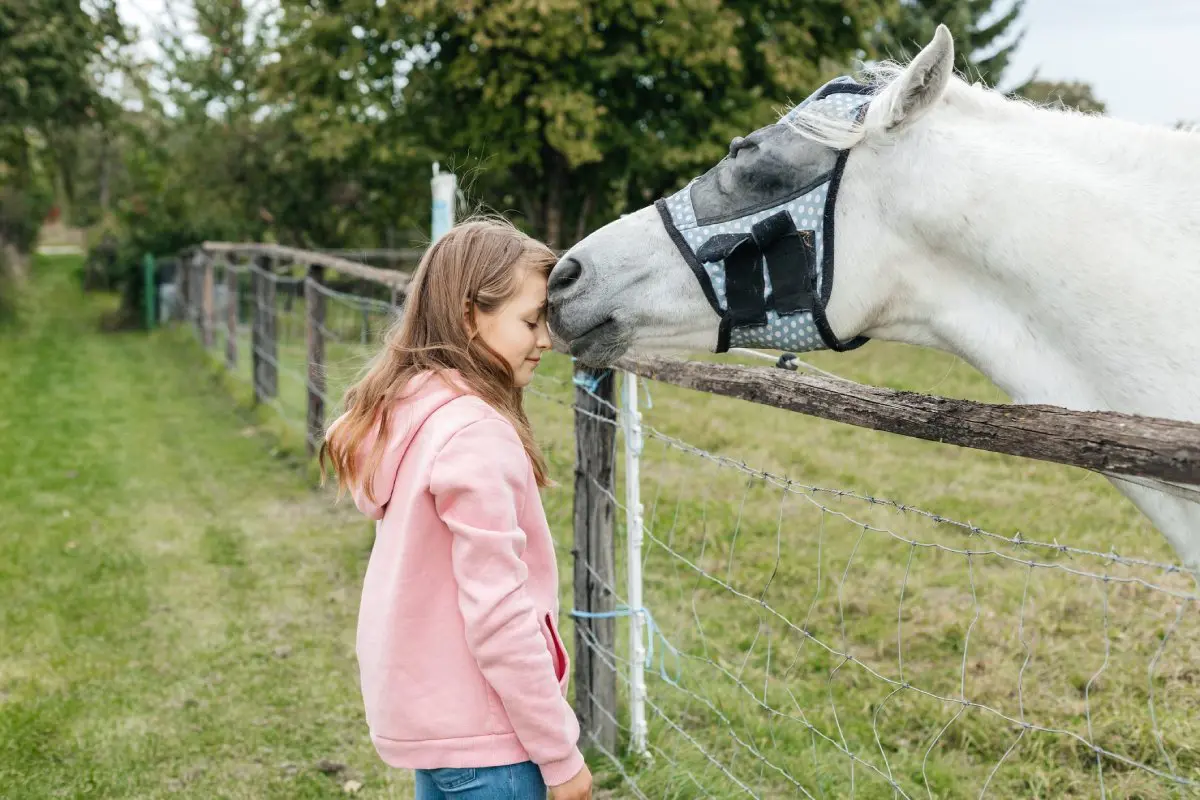
Equine therapy, also known as horse therapy or equine-assisted therapy, stands out in the realm of mental health and substance abuse treatment due to its unique approach. It involves interactions with horses to facilitate emotional growth and healing. Despite its unconventional nature, equine therapy has garnered significant attention for its effectiveness in addressing various mental health issues and addiction challenges.
What is Equine Therapy?
Equine therapy encompasses a broad range of activities involving horses, such as grooming, feeding, leading and riding. These interactions are carefully supervised by mental health professionals trained in equine-assisted therapy. The primary objective is to foster a relationship between the client and the horse, which may lead to significant improvements in emotional regulation, self-confidence and social skills.
The Role of Horses in Therapy
Horses play a pivotal role in this therapeutic approach. Their intuitive nature allows them to respond effectively to human emotions and non-verbal cues. This sensitivity makes them exceptional partners in therapy, facilitating the development of valuable skills such as communication, patience and trust. The bond that clients form with horses can be profoundly therapeutic, offering a sense of calm and connection often elusive in traditional therapeutic settings.
How Equine Therapy is Conducted
Equine therapy sessions typically involve structured activities designed to build trust and rapport between the person and the horse. These activities are tailored to address specific therapeutic goals, whether it’s enhancing emotional regulation or improving social interactions. The presence of a trained therapist provides effective sessions, allowing clients to explore their emotions and develop coping strategies in a supportive environment.
The Therapeutic Environment
Typically conducted in serene, natural environments, these sessions capitalize on the calming influence of nature. The tranquil surroundings, combined with the gentle presence of horses, create an ideal atmosphere for reflection and personal growth. This environment encourages one to step away from the stresses of daily life and focus on their healing journey.
Benefits of Horses as Therapy Animals
The use of horses as therapy animals offers advantages that contribute to the overall effectiveness of equine therapy. Here’s why they can be beneficial:
Emotional Regulation and Stress Relief
Engaging with horses requires you to maintain a state of calm and focus. Horses are known to mirror human emotions, often responding negatively to stress and anxiety. This mirroring effect encourages you to practice emotional regulation and stress-relief techniques. The calming presence of horses can significantly reduce symptoms of anxiety and depression, providing a natural and soothing form of therapy.
Building Confidence and Self-Esteem
Interacting successfully with a horse can lead to a substantial boost in self-esteem and confidence. The tasks involved in equine therapy, such as leading a horse or completing a riding challenge, instill a sense of accomplishment and mastery. This is particularly beneficial for those struggling with feelings of inadequacy or low self-worth, as it provides tangible evidence of their capabilities and reinforces positive self-perception.
Enhancing Social Skills and Communication
Equine therapy promotes the development of social skills and effective communication. Since horses respond primarily to non-verbal cues, participants learn the importance of body language and tone in interactions. These skills are easily transferable to human relationships, aiding in the improvement of social interactions and communication abilities. The therapy fosters empathy and understanding, vital components of healthy social relationships.
Promoting Physical Health
Beyond psychological benefits, therapeutic horseback riding offers significant physical health advantages. Riding enhances balance, coordination and motor skills, providing a comprehensive workout. It also offers a gentle form of exercise, particularly beneficial for someone with limited mobility or those new to physical activity. This aspect of equine therapy supports overall well-being, contributing to a holistic approach to health and recovery.
How Equine Therapy Supports Mental Health and Addiction Recovery
Equine therapy can be an integral part of mental health or addiction recovery programs, offering distinct advantages in these contexts:
Encouraging Responsibility and Accountability
Caring for a horse requires a significant level of responsibility and accountability, skills essential in recovery. Children & teens learn to follow through with tasks and commitments, translating into better personal responsibility in other life areas. This aspect of equine therapy fosters a sense of reliability and discipline, important for long-term recovery success.
Enhancing Coping Strategies
Interaction with horses can teach valuable coping strategies. The skills gained in maintaining calm and focus around horses are applicable to stressful situations in everyday life. These coping mechanisms are vital for managing triggers and preventing relapse in addiction recovery, empowering one to navigate challenges with resilience and composure.
Fostering a Sense of Belonging
Equine therapy can also foster a sense of belonging and community. Participating in group sessions or being part of a therapeutic environment centered around horses can help one feel connected to something larger than themselves. This sense of belonging can be incredibly healing, offering support and encouragement during the recovery journey.
Choosing an Equine Therapy Program
When considering equine therapy, selecting a program that aligns with your needs is crucial. Consider these factors:
Ensure the program is run by qualified professionals certified in equine-assisted therapy. They should have experience in mental health and substance abuse treatment, ensuring they can provide comprehensive support throughout the therapy process.
Look for a program with a structured approach that includes clear goals and objectives. It should offer a variety of activities tailored to the participants’ needs, ensuring a personalized and effective therapeutic experience.
Therapeutic Services near Springfield IL
Equine therapy is more than just an unconventional treatment option; it’s a journey of self-discovery and healing, guided by the gentle power of horses. Through this unique therapeutic approach, children and adolescents can uncover strengths they never knew they had, paving the way for lasting change and personal growth.
Lincoln Prairie Behavioral Health Center provides inpatient and outpatient behavioral health services for children and adolescents in Springfield, Illinois. The programs are designed to address the emotional, social and behavioral needs of people experiencing difficulties across home, social and community settings.
To learn more about our equine therapy services, contact us online or give us a call at 217-585-1180.