Coping Skills That Help Your Child Manage Anger
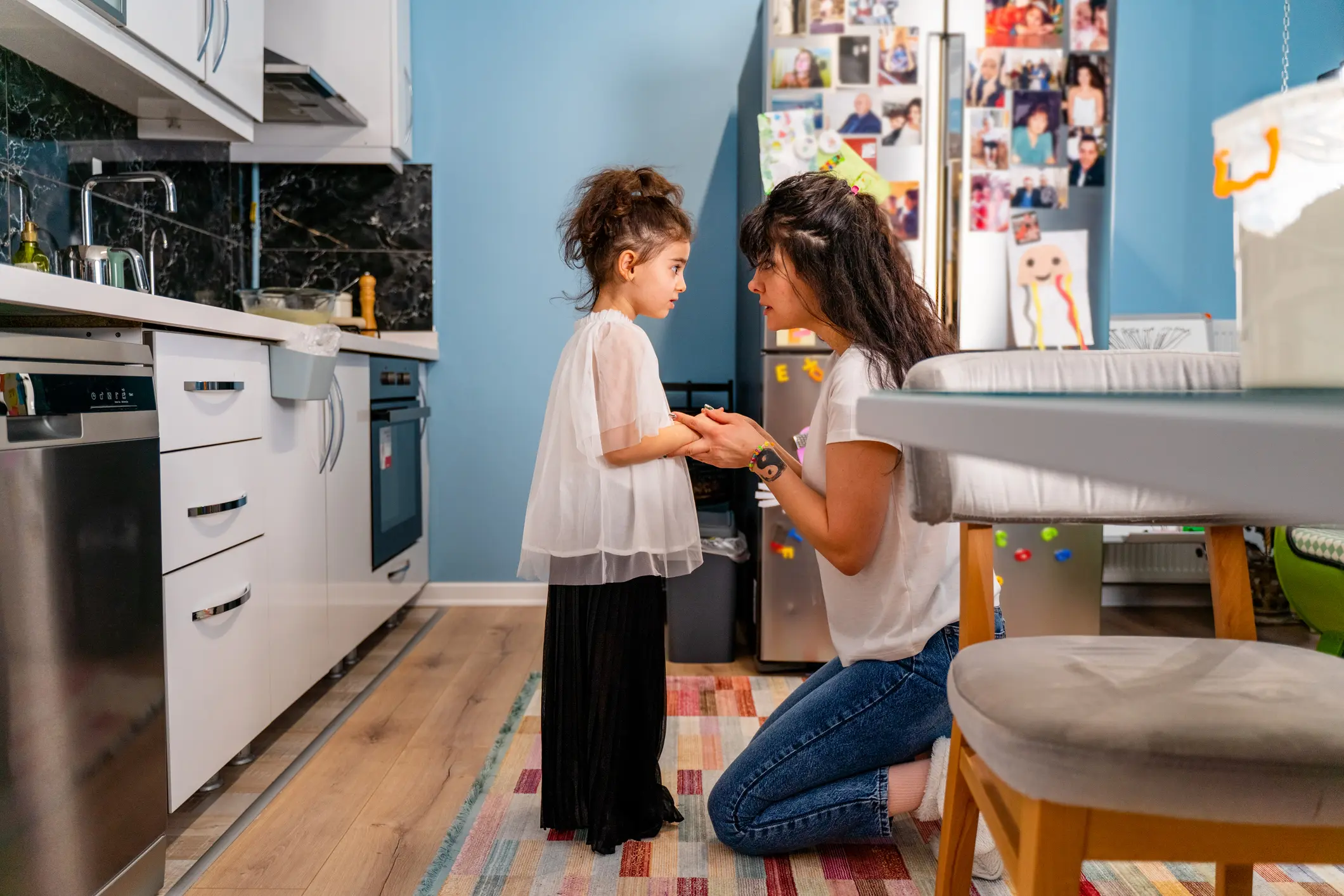
Watching your child struggle with anger can leave you feeling helpless. One moment things are calm, and the next, a small frustration turns into a full-blown outburst. You might wonder if this is a normal part of growing up or a sign that something more is going on.
The good news is that anger is a normal emotion, and children aren’t born knowing how to handle it well. With patience and the right tools, your child can build skills that make big feelings easier to manage. You don’t have to figure this out alone, and progress often happens gradually.
Why Does My Child Struggle to Manage Anger?
Anger often shows up when a child feels overwhelmed, misunderstood or out of control. Young children especially haven’t developed the brain structures needed for strong impulse control, so their reactions can feel bigger than the situation seems to call for.
This isn’t a reflection of bad parenting or a “bad” child. It’s a normal part of development. As children grow, they gradually build the ability to pause, reflect and respond rather than react. Your job as a caregiver is to guide that growth, not to eliminate anger altogether.
What Coping Skills Can Help My Child Manage Anger?
Teaching your child specific, repeatable skills gives them tools to reach for when emotions run high. Practice these strategies during calm moments so your child feels ready to use them when anger arises.
Naming the feeling
Help your child put words to what they’re experiencing. A simple question like “Are you feeling angry, frustrated or disappointed?” can help a child recognize the emotion instead of being consumed by it. Naming a feeling is often the first step toward managing it.
Practicing deep breathing
Slow, deep breaths can help calm the body’s stress response. Try teaching your child “balloon breathing,” where they imagine filling their belly like a balloon on the inhale and slowly releasing air on the exhale. This can give them something concrete to focus on instead of the anger itself.
Creating a calm-down space
A designated corner with pillows, books or a soft blanket gives your child a place to reset. This isn’t a punishment. It’s a spot where your child can go to feel their feelings without added pressure. Over time, your child may start choosing this space on their own when they notice big emotions building.
Using physical outlets
Movement helps release built-up tension. Jumping jacks, a quick walk or even squeezing a stress ball can help a child’s body process anger before it boils over. This can be especially helpful for younger children who express emotion physically.
Practicing problem-solving together
Once your child has calmed down, walk through what happened and brainstorm solutions together. Questions like “What could we try next time?” help your child build a plan for handling similar situations. This step reinforces that mistakes are part of learning rather than something to fear.
How Can I Support My Child in the Moment?
When your child is in the middle of an anger episode, your calm presence matters more than any specific technique. Here’s what can help:
- Stay steady: Your child looks to you for cues on how to respond. Keeping your own voice and body language calm can help de-escalate the situation.
- Validate before redirecting: A phrase like “I can see you’re really upset” acknowledges the feeling before you move toward a solution. Skipping this step can make a child feel dismissed.
- Offer choices: Giving your child a small choice, like which coping skill to try first, can restore a sense of control.
- Wait for the right moment to teach: Problem-solving conversations work best after your child has calmed down, not in the middle of the outburst.
This process rarely goes perfectly every time, and that’s expected. Some days will be harder than others, and that doesn’t mean your efforts aren’t working.
When Should I Seek Professional Support for My Child’s Anger?
Frequent, intense or escalating anger that disrupts your child’s relationships, schoolwork or safety may be a sign that additional support could help. This is especially true if anger is paired with other concerns, such as sadness, anxiety or difficulty sleeping.
Reaching out for support is a sign of strength, not failure. Family-focused treatment options, including outpatient therapy, give your child structured tools while also helping the whole family build stronger communication patterns. The outpatient services team at Lincoln Prairie Behavioral Health Center works alongside families to address emotional and behavioral needs across home, school and community settings.
If your child’s anger ever turns into a threat to their safety or someone else’s, call 911 and go to the nearest ER right away. In a mental health crisis, CALL 988 or get to the nearest emergency room.
Frequently Asked Questions
Is it normal for young children to have frequent anger outbursts?
Yes. Anger outbursts are common in young children because their brains are still developing the skills needed for impulse control. Frequent outbursts become more concerning when they increase in intensity, last longer than expected for your child’s age or interfere with daily functioning.
What triggers anger in children?
Common triggers include frustration, hunger, fatigue, feeling misunderstood or a sense of losing control. Identifying your child’s specific triggers can help you anticipate and prepare for challenging moments.
How is anger different from a mental health concern?
Anger itself is a normal emotion, not a diagnosis. It may point to an underlying mental health concern when it’s paired with other symptoms, such as ongoing sadness, anxiety or trouble functioning at school or home.
What treatment options are available if coping skills aren’t enough?
Outpatient therapy, family therapy and Cognitive Behavioral Therapy are common options that help children build emotion regulation skills while involving the family in the process.
Who can benefit from learning these coping skills?
Any child can benefit from learning to name feelings, practice calming strategies and problem-solve, though children with more frequent or intense anger may need additional structured support from a professional.