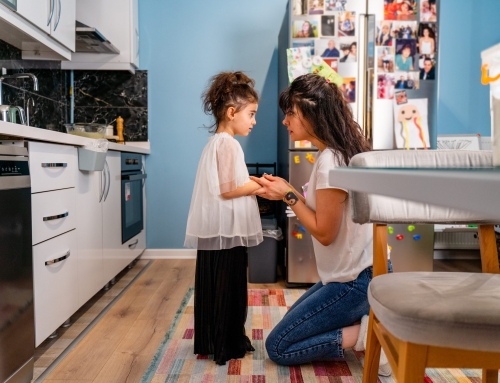
How Depression Can Look Different in Children and Teens

When your child seems different lately, it’s natural to wonder what’s going on beneath the surface. You might notice your once-chatty kid has gone quiet, or your teen who loved soccer practice suddenly says they’re too tired to go. These shifts can be confusing, especially when they don’t match what you thought depression was supposed to look like.
That confusion is common. Depression in young people rarely announces itself the way it might in an adult. A child or teen may not say “I feel depressed.” Instead, the signs tend to show up sideways, through behavior, body language and the small routines that start to fall apart.
Why Depression Doesn’t Always Look Like Sadness in Kids
Adults often picture depression as tears, low energy and a flat mood that lingers for weeks. Children and teens can experience that too, but the mental health concern frequently wears a different mask at younger ages.
How irritability can stand in for sadness
A child struggling with depression may seem angry or on edge rather than visibly sad. Snapping at siblings, resisting homework or melting down over small frustrations can all be ways a child expresses pain they don’t have the words for yet.
This irritability isn’t defiance for its own sake. It’s often the clearest signal a younger child can give that something underneath feels wrong.
How physical complaints can be a clue
Stomachaches, headaches and fatigue that don’t have a clear medical cause sometimes point back to a mental health concern. Children, especially younger ones, may not yet connect their emotional state to physical symptoms, so the body speaks before the words do.
If your child’s pediatrician has ruled out physical causes and the complaints continue, it may be worth asking whether an emotional concern could be contributing.
What Depression Can Look Like at Different Ages
Depression can shift in presentation as a child grows, which is part of why it’s easy to miss.
Signs in younger children
- Clinginess: A child who was previously independent may suddenly need you close by, worried about separation in ways that feel new.
- Play changes: Depression can show up in themes of play, such as repeated stories about loss, loneliness or being left out.
- Regression: Some children briefly lose skills they’d mastered, like sleeping through the night or managing bathroom routines on their own.
- Appetite shifts: Eating noticeably more or less than usual can accompany a low mood in young children.
Signs in teenagers
- Social withdrawal: A teen may stop responding to friends, skip events they once looked forward to or spend most of their time alone in their room.
- Academic decline: Slipping grades, missed assignments or a sudden lack of motivation at school can reflect what’s happening internally.
- Risk-taking behavior: Some teens cope with a mental health concern through reckless driving, substance use or other choices that feel out of character.
- Sleep disruption: Staying up most of the night, sleeping through the day or reporting constant exhaustion despite rest are common patterns.
- Self-criticism: Teens may talk about themselves in harsh terms or express hopelessness about the future in passing comments.
A teen going through a hard week isn’t necessarily depressed. What matters is whether these changes persist for two weeks or longer and begin to affect daily life at home, school or with friends.
When Should Parents Be Concerned About a Child’s Mood Changes?
It’s worth paying closer attention when changes last beyond a couple of weeks, intensify over time or start interfering with school, friendships or family life. A single bad day rarely signals depression. A pattern that keeps repeating is a different story.
Any mention of wanting to disappear, not wanting to be alive or feeling like a burden to others deserves attention right away. If your child or teen expresses thoughts of suicide or self-harm, call 911 or go to the nearest ER. These moments call for care, not panic, and getting help quickly is an act of support, not overreaction.
In case of a mental health crisis CALL 988 or seek the nearest ER.
How Can Families Support a Child Who May Be Depressed?
You don’t have to have all the answers to help your child. Your presence and willingness to listen matter more than having the right words.
- Start with curiosity, not conclusions: Ask open questions like “You’ve seemed down lately, what’s that been like for you?” rather than jumping to assumptions.
- Keep routines steady: Predictable mealtimes, bedtimes and family rituals can offer a sense of stability when everything else feels unsettled.
- Involve the whole family: Siblings and other caregivers can benefit from understanding what’s happening too, which can ease tension at home.
- Loop in a professional: A pediatrician or mental health evaluation can clarify whether what you’re seeing fits a diagnosable concern and what level of care might help.
- Be patient with the process: Finding the right support sometimes takes more than one try. That’s a common part of the process, not a sign that nothing is working.
What Treatment Options Exist for Childhood and Teen Depression
Treatment looks different depending on how a child’s depression is affecting daily life. For many families, outpatient services offer structured support through individual and family therapy while a child continues attending school and living at home. For a loved one who needs a higher level of support, inpatient care can provide a more structured setting focused on stabilization.
Family therapy is often part of this process. Depression doesn’t happen in isolation, and involving parents, siblings and caregivers can strengthen communication and give everyone tools to support recovery together.
If you’re not sure where to start, a behavioral health assessment can help identify the right level of care for your child.
Frequently Asked Questions
How much does treatment for childhood or teen depression cost?
Cost varies based on the level of care your child needs and your insurance coverage. Families who are concerned about cost can ask about financial assistance programs designed to make treatment accessible regardless of ability to pay.
How long does it take to see improvement after starting treatment?
Timelines differ for every child. Some families notice small shifts within a few weeks of starting therapy, while others see progress unfold more gradually over months. Consistency with treatment tends to matter more than speed.
What are the risks of leaving childhood depression untreated?
Untreated depression can affect school performance, friendships and a child’s sense of self-worth over time. It can also increase the risk of substance use issues or self-harm in teens. Early support can ease these risks.
Are there alternatives to inpatient or outpatient programs?
Some children benefit from outpatient therapy alone, paired with support from a school counselor or pediatrician. The right starting point depends on how much the mental health concern is affecting daily functioning, which a Level-of-Care Recommendation can help clarify.
Who is outpatient or inpatient care best suited for?
Outpatient care tends to suit children and teens who can continue daily routines while attending regular therapy sessions. Inpatient care may be the better fit when a child’s safety, mood or daily functioning has declined to the point where structured, around-the-clock support is needed.
Taking the Next Step Together
Watching your child change in ways you don’t understand can leave you feeling unsure of what to do next. You don’t have to figure this out alone. Recognizing that something feels different is often the hardest part, and you’ve already taken that step by learning more.
Reaching out for a mental health evaluation is a way of advocating for your child, not an admission that something has gone wrong in your parenting. Together, families and care providers can build a path forward that fits your child’s needs and your family’s life.
If you’re ready to talk through what you’re seeing, Lincoln Prairie Behavioral Health Center offers assessments any time, day or night, so you can get answers when you need them most.